Deciding to move forward with joint replacement surgery is a major step. Many patients reach this point after dealing with months or even years of pain, stiffness, and limited mobility. Surgery is an important part of the process, but physical therapy is where much of your recovery happens.
At Optimum Therapies, we work with patients before and after joint replacement and often help guide them through what to expect during recovery. Understanding the process ahead of time can make it feel more manageable and help you stay confident as you progress.
Most patients can expect to begin gentle movement within 24 hours after surgery and continue progressing through several phases of physical therapy over the following weeks and months. Here is what you can expect from physical therapy after knee, hip, or shoulder replacement surgery.
Why Physical Therapy Matters After Joint Replacement
Joint replacement addresses damaged bone and cartilage, but physical therapy helps restore how your body moves and functions. Therapy is focused on helping you:
- Improve range of motion
- Build strength and stability
- Reduce swelling and stiffness
- Retrain balance and walking patterns
- Help lower the risk of complications such as stiffness or poor mobility
- Return to daily activities safely
Recovery takes time and consistency, but you will be guided every step of the way by your care team. Early, guided movement is commonly recommended to support healing and reduce complications after joint replacement.
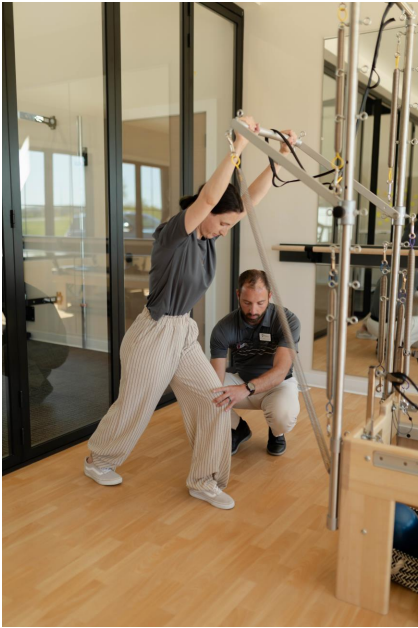
At Optimum Therapies, we focus on individualized progression rather than a one-size-fits-all plan. We adjust your therapy based on how your body responds each week, using a combination of hands-on treatment and guided movement to help you progress safely.
Getting Started: The First 24 to 48 Hours
Most patients begin gentle movement within a day of surgery. While it may feel early, this step is important for improving circulation, reducing stiffness, and preventing complications.
- Sit up and stand with assistance
- Take a few carefully supported steps
- Practice safe transfers (from bed to chair, etc.)
These small victories build the foundation for continued improvement.
Recovery timelines can vary slightly depending on the joint and individual factors, but most follow a similar progression.
Recovery After Knee Replacement
Many patients spend one to two nights in the hospital after a knee replacement. A physical therapist will assess your ability to:
- Stand and walk with support
- Navigate steps
- Perform basic strengthening and stretching exercises
Weeks 1 to 3
You’ll start with home-based therapy to focus on:
- Reducing swelling with elevation and ice
- Learning safe movement patterns
- Beginning early strengthening and bending exercises
As mobility improves, you will typically transition to outpatient physical therapy around weeks 2 to 3, depending on your progress and your surgeon’s recommendations.
Weeks 4 to 12
Therapy focuses on increasing:
- Range of motion (straightening and bending the knee)
- Strength of surrounding muscles
- Balance and walking mechanics
Swelling can persist for several months, which is normal. By around 10 to 16 weeks, many patients return to everyday activities with noticeable improvements in comfort and mobility.
Recovery After Shoulder Replacement
Rehabilitation after shoulder replacement prioritizes protection and gradual progression.
Weeks 1 to 6
- You’ll wear a sling full-time to protect the joint while tissues heal.
- Therapists will help reduce pain and inflammation.
- You’ll perform passive exercises, as the therapist gently moves your arm for you to maintain mobility without strain.
Weeks 6 to 12
- You’ll begin active exercises, moving your arm on your own.
- You’ll gradually add strengthening exercises using light weights or resistance bands.
- Regaining overhead motion and functional use of the arm becomes a key focus.
Most patients regain everyday function around three to four months, with strengthening continuing for four to six months (or longer), depending on your goals and lifestyle.
Recovery After Hip Replacement
Many patients begin gentle movement on the day of surgery to help prevent stiffness and support circulation.
Weeks 1 to 3
At home, your therapist will help you practice:
- Walking with a walker or crutches
- Getting in and out of bed safely
- Navigating stairs
- Protecting the joint during daily activities
Weeks 4 to 8
Outpatient therapy sessions (two to three times per week) focus on:
- Strengthening the hip and surrounding muscles
- Increasing stability
- Improving balance and gait
As endurance improves, you may use a stationary bike or treadmill.
Months 2 to 12
Strength, stability, and balance continue to improve with ongoing home exercises. Full recovery typically takes 6-12 months, depending on age, health, and activity goals.
Staying Engaged in Your Recovery
Your effort plays a crucial role in your success. You can support your progress by:
- Attending all physical therapy appointments
- Practicing prescribed exercises at home
- Communicating openly with your care team
- Following safety guidelines during activities
Every milestone, whether big or small, contributes to long-term mobility and comfort.
We often see the best outcomes in patients who stay consistent and communicate openly about how they are feeling throughout the process.
PT After Joint Replacement: The Bottom Line
Joint replacement surgery is an important step toward reducing pain and improving movement, but physical therapy is what helps you get the most out of that surgery. With the right plan and consistent effort, you can return to daily activities with greater strength, mobility, and confidence.
At Optimum Therapies, we focus on personalized post-surgical rehabilitation, clear communication, and hands-on care to help you progress safely. Whether you are preparing for surgery or already in recovery, our team is here to support you.
How long does physical therapy take after joint replacement?
Most patients participate in physical therapy for 8 to 12 weeks, with continued improvement over several months depending on the procedure and individual goals.
If you are preparing for surgery or currently in recovery, contact Optimum Therapies today to schedule an evaluation and see how we can help.